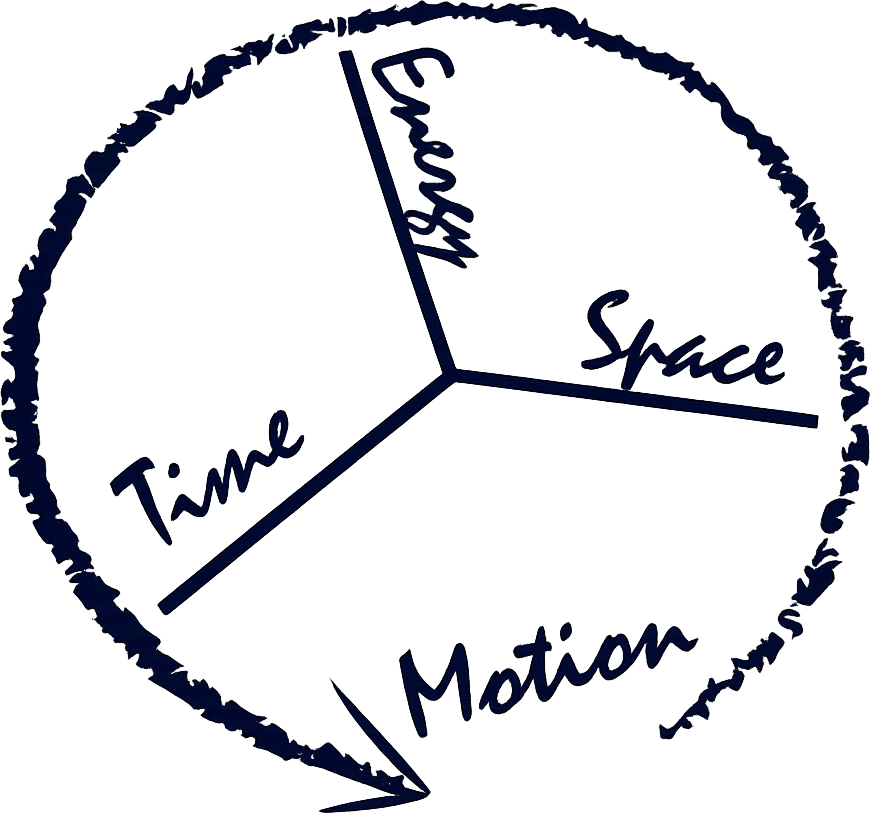

Collective Human Agency


Approach
Shaped by years of investigating conflict and peacebuilding processes across countries, this approach is rooted in peace and conflict studies and grounded in phenomenology. It examines how human agency forms through lived experience.
Elaborated under the umbrella of human security and human development, in Agency in Poverty and War I proposed a conceptual framework for understanding how agency evolves. It provides lenses to consider both inner and outer mapping of the human condition. The approach enables the perception of the interplay across institutional structures, social conditions, and collective transitions.
%20(1).webp)
© copyright: Jon Marro
Developed through empirical and participatory research in contexts of adversity, the approach to Collective Human Agency examines how inner experience and external conditions shape the capacity to act, decide, and relate under uncertainty.
Grounded in multidisciplinary studies and in-formed by intellectual depth and embodied practice, it offers a lens for understanding the readiness required to navigate conflict, institutional change, and collective transitions.
Grounded in multidisciplinary studies and in-formed by intellectual depth and embodied practice, it offers a lens for understanding the readiness required to navigate conflict, institutional change, and collective transitions.
The vital core
The vital core is the capability to sense one’s own inner self, from which awareness can emerge. It is the ground of human agency, where consciousness and capabilities meet.
When the thread of connection to the vital core is weakened by structural constraints, institutional conditions, or oppressive mechanisms, human agency becomes compromised, often in ways that are not immediately visible.
When the thread of connection to the vital core is weakened by structural constraints, institutional conditions, or oppressive mechanisms, human agency becomes compromised, often in ways that are not immediately visible.
The consciousness–capabilities approach offers a way to engage with the deeper conditions shaping how we participate, decide, and act.
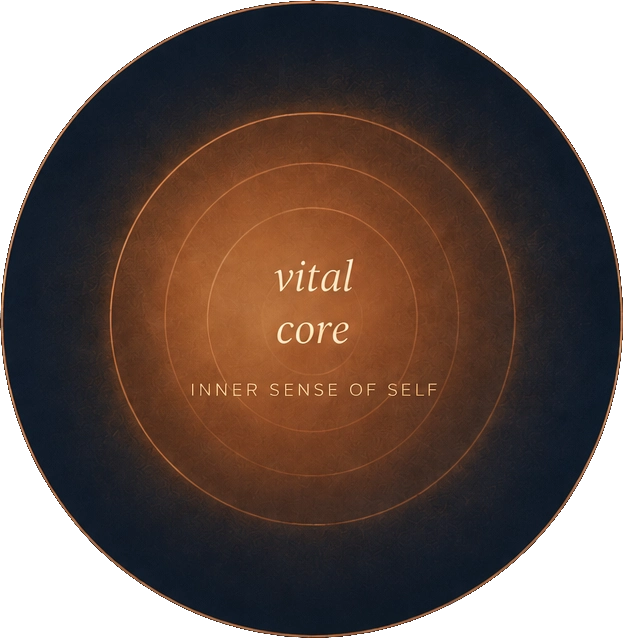
DYNAMICS OF AGENCY FORMATION
How agency unfolds within the vital core
These dynamics describe how individuals and communities navigate their relationship with both internal awareness and external conditions. Without a hierarchical order, they are a map of possible states, often coexisting and shifting as conditions change.
PASSIVE AGENCY
Adapting the vital core
Survival agency
Abjecting fragmentation
Active agency
Resilient vital core
Conscient agency
Transforming the vital core
.jpg)
PUBLICATION — ROUTLEDGE 2024
Agency in Poverty and War
This is where Human Agency first took form through immersion in fieldwork carried out in post-conflict contexts, where the stakes of understanding were never abstract.
For over two decades, the central research inquiry guiding my exploration of the human condition was how empowerment works when people endure conditions of complexity, violence, fragmentation, a sense of injustice, and uncertainty. Experiences of loss and resilience could not be fully held by existing literature, where words are often insufficient to speak the unspeakable.
This approach brings together the inner dimensions of experience into a transdisciplinary framework for engaging complexity more fully within governance, leadership, and decision-making.
For over two decades, the central research inquiry guiding my exploration of the human condition was how empowerment works when people endure conditions of complexity, violence, fragmentation, a sense of injustice, and uncertainty. Experiences of loss and resilience could not be fully held by existing literature, where words are often insufficient to speak the unspeakable.
This approach brings together the inner dimensions of experience into a transdisciplinary framework for engaging complexity more fully within governance, leadership, and decision-making.
%20(1).webp)
Consciousness in Rural Human Development
The manuscript research journey restored my connection to my roots, to the wisdom of oral culture, and its agency within a hologram of knowledge. This book reflects the journey of identities and the positive and negative associations that form within consciousness, bringing an assumed order to our intellect, and yet, it often fragments the wholeness of our humanity.
.png)